Scientific Realism Versus Technobabble in Sci-Fi
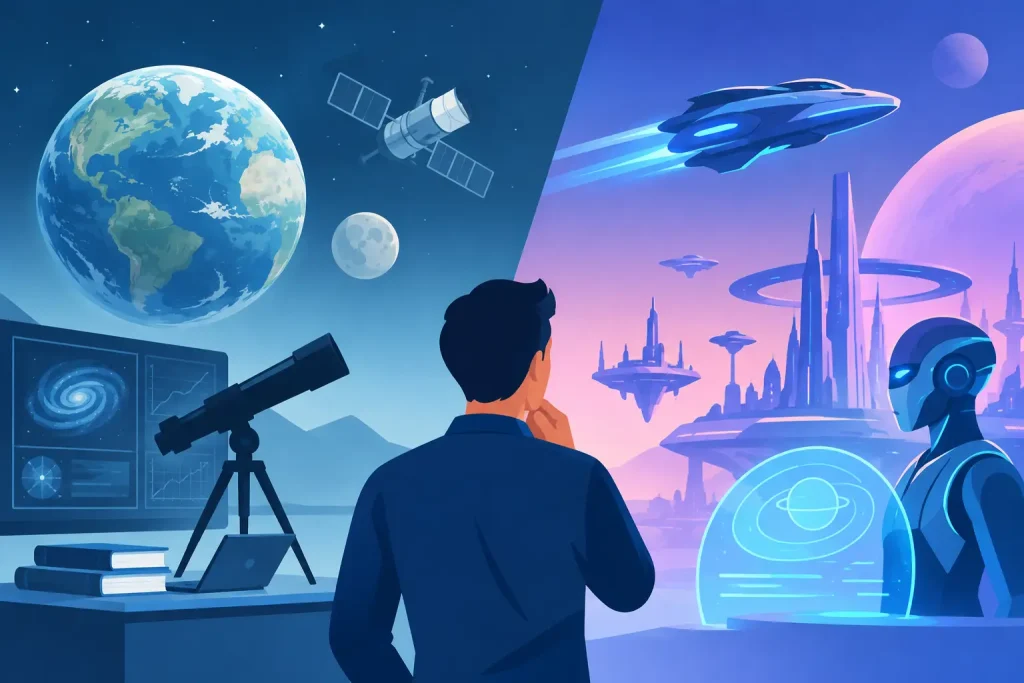
Scientific realism versus technobabble: learn what makes hard sci-fi feel credible, wondrous, and human without making science read like a lecture too.
Alien Communication Guide for First Contact
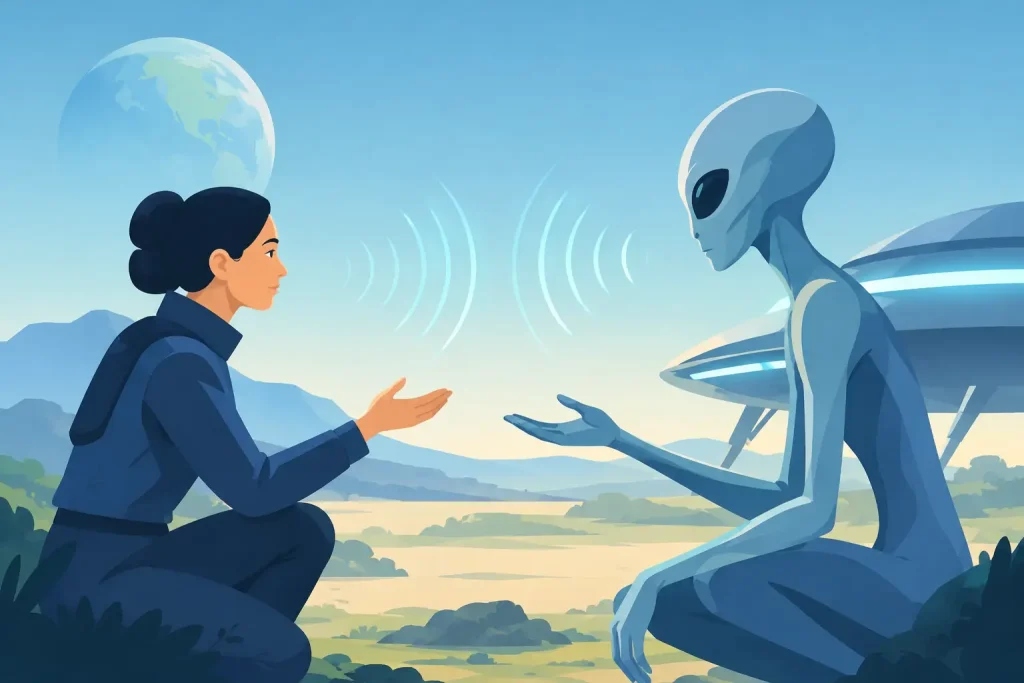
An alien communication guide for imagining first contact through physics, language, ethics, and the life-altering risk of being understood too soon at all.
7 Examples of Science Fiction Moral Conflict
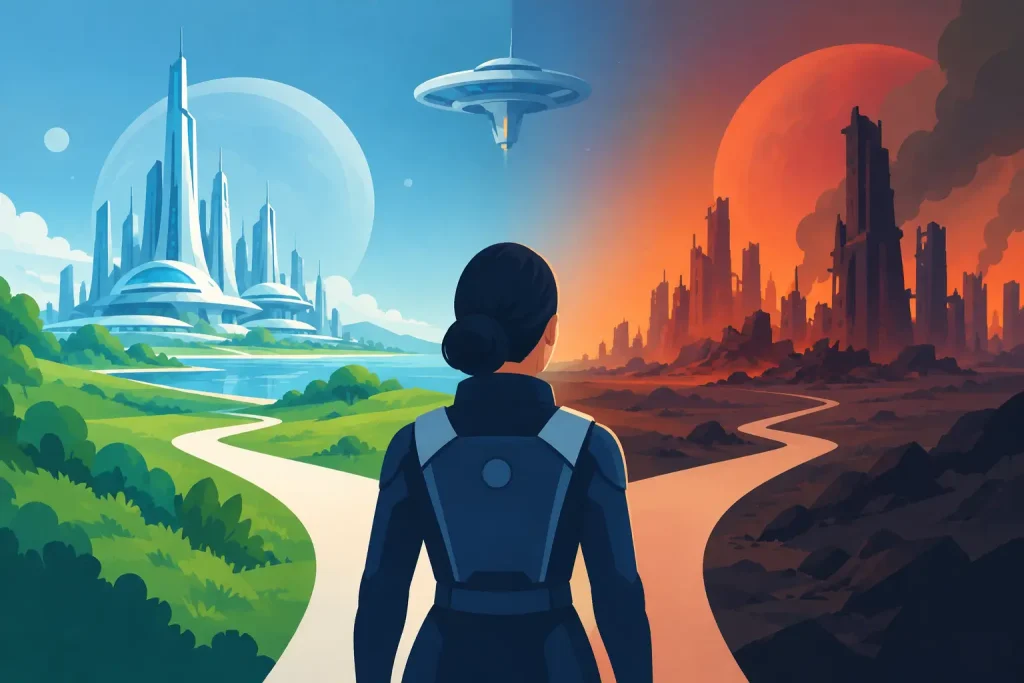
Examples of science fiction moral conflict reveal why time travel, alien contact, and survival force humanity to choose what it will become in extremis.
Could Mars Colonies Survive Beyond Earth’s Reach?
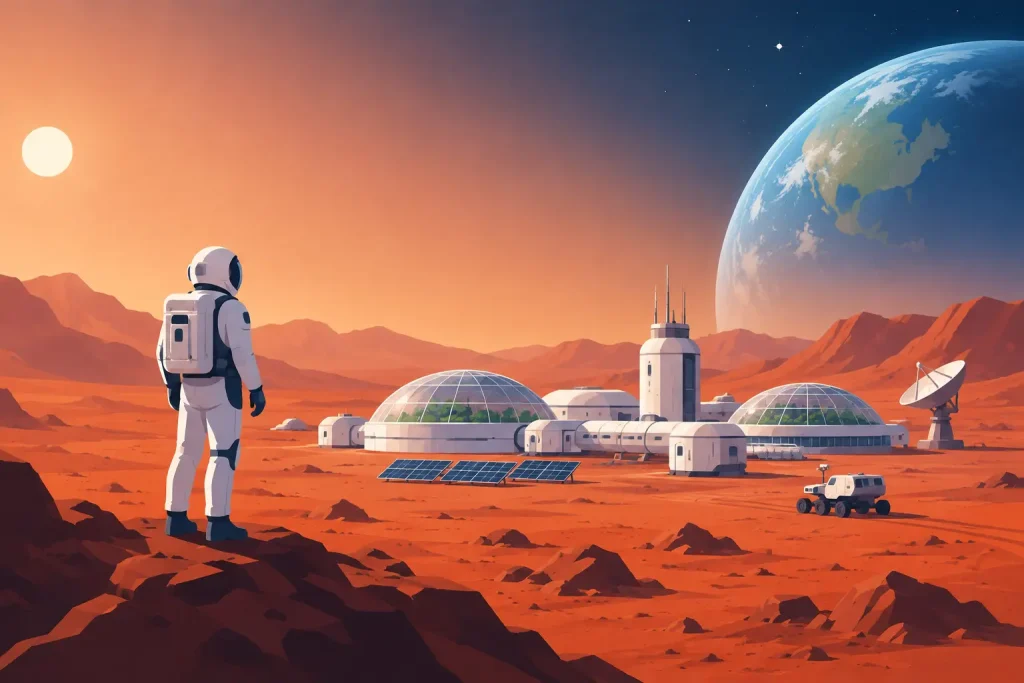
Could Mars colonies survive? From air and water to radiation and human conflict, this hard science look examines what it takes to endure on Mars for good.
Novels on Survival Ethics That Test Humanity

Novels on survival ethics reveal what humanity becomes when time, scarcity, and impossible choices leave no clean path to safety for anyone caught inside.
Astrophysics Novel Guide for Serious Sci-Fi Readers

An astrophysics novel guide to hard science fiction with credible cosmic ideas, moral stakes, and human lives pressured by the unknown at the edge of time.
Scientific Worldbuilding Examples That Feel Real
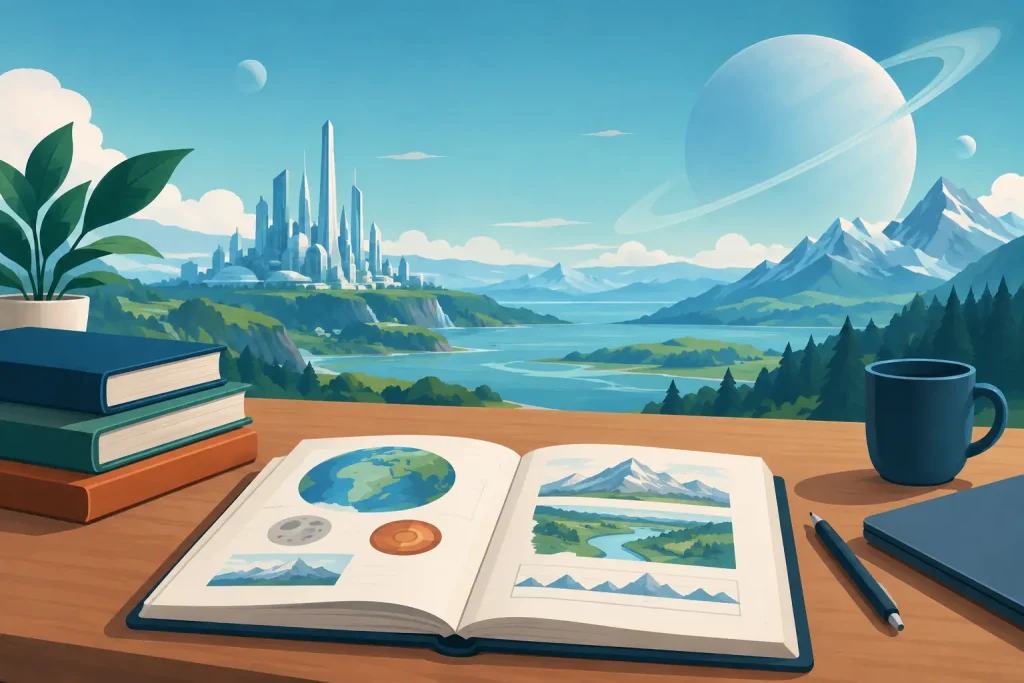
Scientific worldbuilding examples reveal how physics, ecology, and human choices create science fiction worlds with consequence, wonder, and real tension.
Can Relativity Shape Character Aging in Sci-Fi?
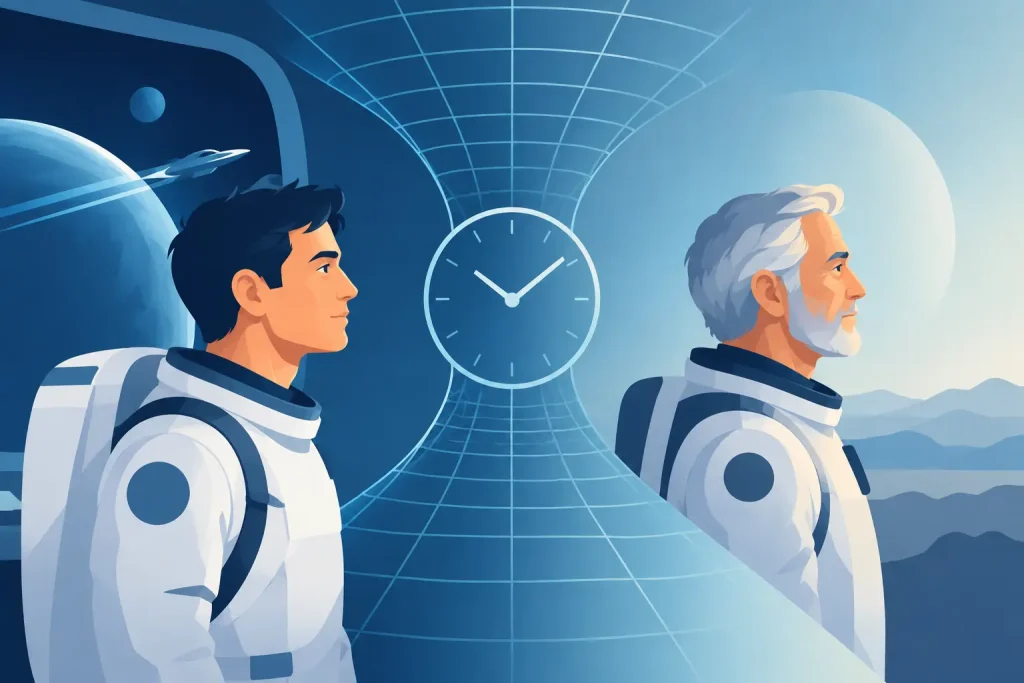
Can relativity shape character aging? See how time dilation, memory, and unequal lifespans create human stakes in rigorous science fiction narratives.
10 Best Novels About Causality and Choice

Seeking the best novels about causality? These science fiction classics turn time, choice, and consequence into thrilling human dilemmas across reality.
Assessing Scientific Realism in Novels Well

Assessing scientific realism in novels means testing the rules behind the wonder, from physics and biology to cause, consequence, and human stakes alike.